Thursday, 20 April 2023

How does the WaterAid advert and its marketing appeal to its target audiences?


Underline the key terms


How does the WaterAid advert appeal to its target audiences? [10]


Knee jerk reaction


The WaterAid advert uses a positive mode of address to appeal to it’s target audiences


Plan


Positioning 

Facial expressions

MES

Bright colour palette

Codes and conventions

Singing

Diegesis 

Diegetic sound

Immersion

Africa

Stuart Hall - reception (PNO)

Gilroy (postcolonial)

Binary opposition

Gauntlet - identity/pick and mix

Cultivation

Stereotypical 

(Uses and gratifications)

90s pop

Middle aged working class British target audience

Scheduled for daytime television 

Escapism

Ideology


Introduction


DAC - definition, argument, context


Target audience refers to the specific demographic that the producer of a media product wishes to reach. This can be achieved through creating audience appeal. In this essay I shall argue that the WaterAid advert uses a positive mode of address to appeal to its working class middle aged target audience. WaterAid is a successful UK charity that provides water to impoverished communities.


Paragraphs


PEA - Point, evidence, argument 


One way in which the WaterAid advert uses a positive mode of address to appeal to it’s target audience is to cultivate an ideology that ‘African people’ are vulnerable and must be helped. This is constructed through a montage of close up shots of Claudia’s Face and feet, which reinforces the MES of Claudia’s flimsy and cheap looking ballet pumps. In addition to this, the use of facial close ups directly positions the audience in a personal mode of address, and forces us to identify with her. Stuart Hall argues that producers use media language to encode their ideological perspectives and to manipulate the target audience. By constructing an appealing mode of address, the producers of the WaterAid advert are able to appeal to their working class middle aged target audience.


  • Colour palette and selection of MES

  • Use of positive and happy MES for eg clean clothes, laughter, singing

  • Construction of a positive narrative - advert takes place after restoration of equilibrium

  • Avoid desensitisation 

  • Representation of teenage girl creates a pleasing and relatable mode of address 

  • Use of 1990 pop song will be relatable to an English speaking target audience 

  • The use of a direct mode of address constructs a particularly persuasive and appealing ideology 

  • A straightforward mode of address is used which lacks any challenging information. The advert doesn’t even identify what country it is set in which may appeal to it’s uneducated working class target audience

  • The 90 second version of the advert would be screened during daytime television commercials, and therefore would appeal to a predominantly working class target audience


However, although this advert is constructed to be appealing, a negotiated reading may be to assume that people like Claudia are fine, and do need help. This advert lacks the typical genre conventions of charity adverts that tend to use a hard hitting mode of address, and instead takes a softer approach which may not appeal to all audiences.
Wednesday, 19 April 2023

To what extent are newspapers shaped by their ownership? Make reference to The Times to support your answer

 The Times fact file 


  • Circulation - 365000 copies daily circa 2020 vs 686000 in 2005 which indicates fluctuations but also a steady 

  • Distribution - physical distribution (print, £2:20) and online distribution (website, paywalled, £26/ month subscription)

  • Producer - News Corp, an absolutely enormous global conglomerate, owned by Rupert Murdoch.  News UK a subsidiary of News Corp. 

  • News UK newspaper - Telegraph, The Sun, The Sunday Times, The News Of The World 

  • News Corp - Fox, Sky, New York Post, Wall Street Journal, Classic FM. Highly diverse and divergent business practices 

  • Vertically or horizontally integrated? - Both! 

  • Target demographic - middle aged, middle class, centre right wing

  • Regulatory body - IPSO (previously the PCC following the News Of The World phone hacking scandal) 

  • Political ideology - Centre right (supports the conservative party but the ideologies it presents are ‘more moderate’)

  • Controversies - News UK implicated in widespread phone hacking, routinely violating the privacy of private individuals 


 To what extent are newspapers shaped by their ownership? Make reference to The Times to support your answer [15]


Underline the key terms


 To what extent are newspapers shaped by their ownership? Make reference to The Times to support your answer [15]


Knee jerk reaction


The Times has been shaped by it’s multinational right wing conglomerate ownership to a massive extent


Plan


News Corp 

Masthead

Stuart Hall - reception

Hesmondhalgh - conglomerates, integration, vertical and horizontal

Middle aged middle class target audience

Cultivation of ideology

Circulation 365000 2020

Broadsheet

Centre Right

Curran and Seaton  - control, power, profit

Paywall

Brand identity

Exclusive

Main image

Headlines

Bylines

Lexis 

Formal mode of address

Distribution

Physical and online

Regulation (IPSO, ineffective, Livingstone and Lunt)


Introduction


DAC - definition, argument, context


Ownership refers to a company that owns a media product. Depending on the size ena ideology of the company media products can be shaped in radical ways. In this essay I shall argue that the Time has been significantly shaped by it’s right wing, multinational conglomerate ownership. The Times is a centre right UK Broadsheet that targets a middle class, middle aged audience. 


Paragraphs


PEA - Point, evidence, argument 


One way in which the Times has been shaped by its ownership is…


  • High production values

  • Right wing ideological perspective - manipulating an already right wing audience

  • Formal mode of address

  • Pricing models 

  • Benefitting from ineffective regulation - phone hacking scandal - huge issues of ethics

  • Motivated by need to make a profit

Tuesday, 18 April 2023

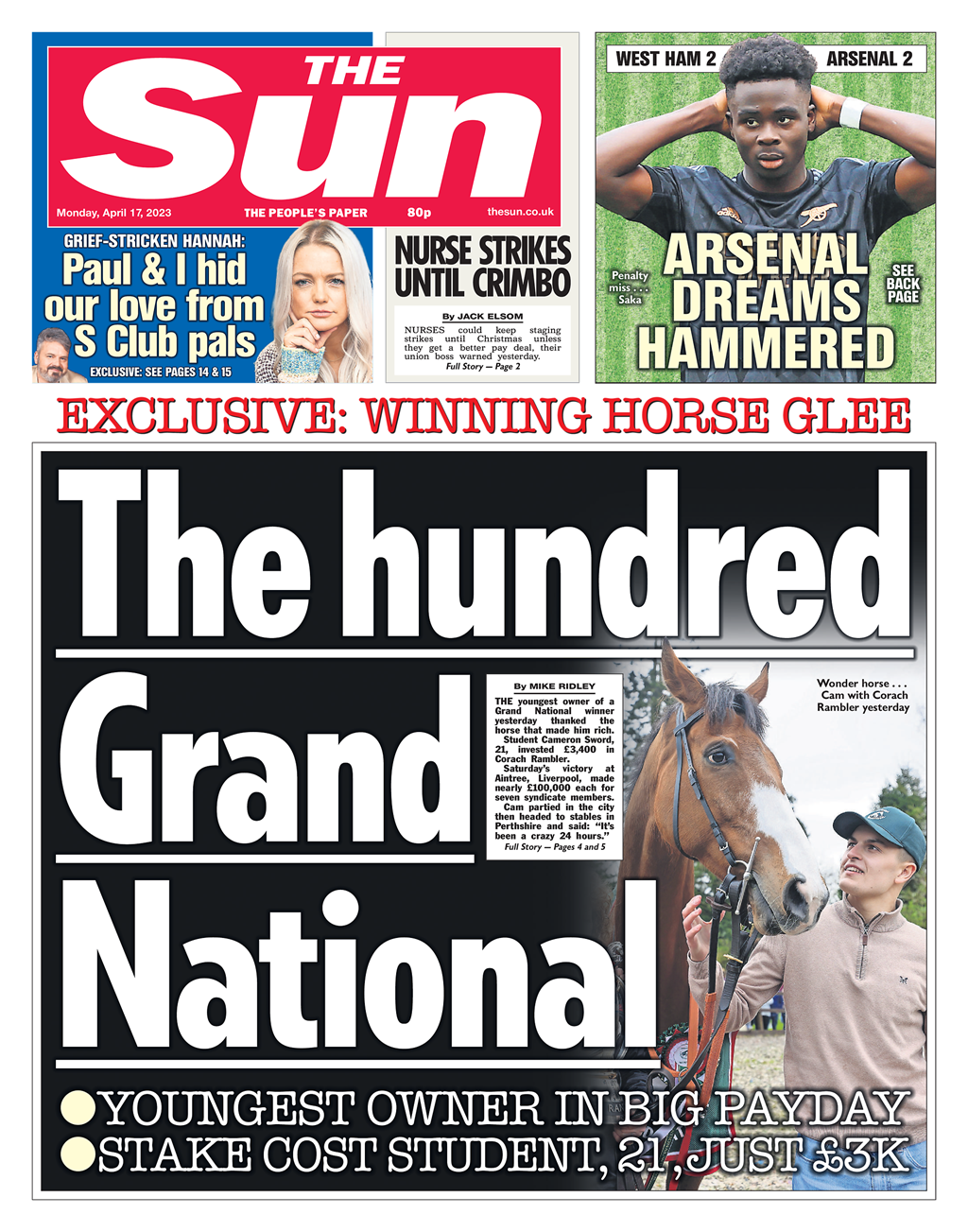
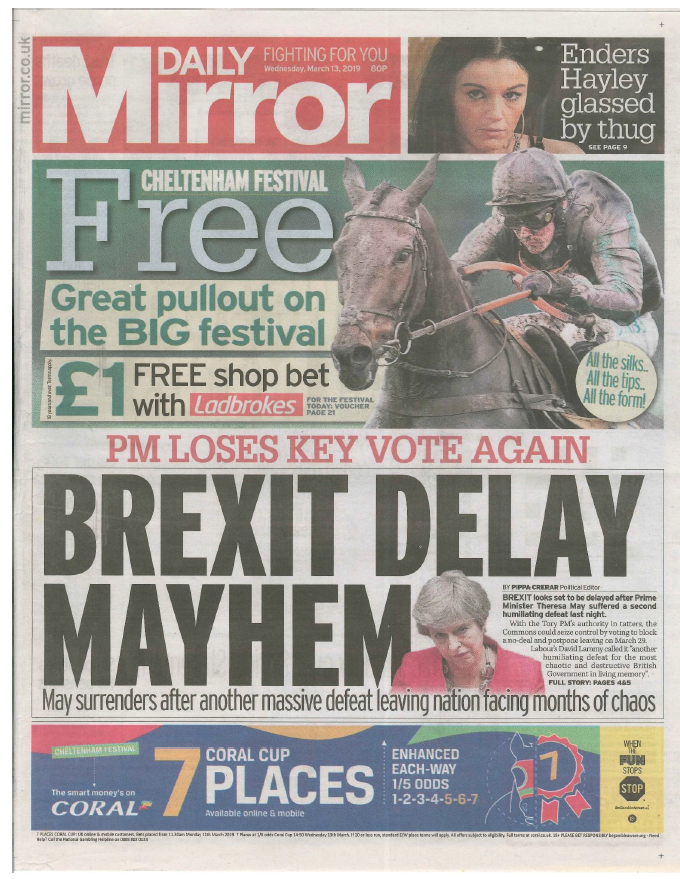
How are social groups in this product represented through the selection and combination of media language? Make reference to the front page of the daily Mirror you have studied and the front page of the sun you have been provided with


Underline the key terms


How are social groups in this product represented through the selection and combination of media language? Make reference to the front page of the daily Mirror you have studied and the front page of the sun you have been provided with


Knee jerk reaction


A stereotypical representation of working class identity is used to appeal to a working class audience


Plan


Binary oppositions (Claud Levi-Strauss)

Lexis

Stuart Hall

David Gauntlett - identity/pick and mix

Serif/sans serif

Layout

Stereotypes 

(Curran and Seaton)

Caption

Anchorage

Liesbet Van Zoonen 

(Cultivation)

White working class

Postcolonialism 

Tabloid

Ideology

Masthead

Price

Intertextuality

Gender performativity

Z line rule 

Hegemony

Sexualisation 

Codes

By-line

Mode of address

Lexis 

MES

Main image 

Target audience

Conservative

Labour 


Introduction


DAC - definition, argument, context


Representation refers to the re-presentation of a social group, an issue or an event. Representations always reflect the ideology of the producer, and are an essential way that the producer can anchor the ideology of the audience. The cultivation of these values can reinforce hegemonic norms, and allow the producers of newspapers to maximise profit by targeting and manipulating a specific audience. In this essay, I shall argue the producers of tabloid newspapers use stereotypical representations to appeal to working class audiences, and in doing so, further cultivate stereotypes. This can lead to inequalities in society. In order to explore this idea I shall be referring to The Daily Mirror published by Reach PLC, a left leaning UK tabloid, and The Sun a right wing British tabloid. 


Paragraphs


PEA - Point, evidence, argument 


  • The large san serif font used for the headlines and subheadings constructs a stereotypical and straightforward mode of address. This constructs the target audience as being uneducated and unable to grasp complex ideas. 
  • An explicit reference to gambling is made in both stories about the Grand National and Teresa May’s political problems, which reinforce the stereotypical ideology that working class people are obsessed with and fixated on gambling.
  • The lexis of ‘Crimbo’ is explicitly and stereotypical working class, which again reinforces the status of the target audience. In doing so, this others the target audience, and constructs working class people as a subordinate and undesirable people who can only communicate in basic ways. 
  • The use of layout is simple and straightforward, utilising the Z line rule to create a clear and concise mode of address for the working class target audience
  • The positioning the puff piece stories on the front page of the sun reinforce expectations of gender. The story about a hegemonically attractive female pop star constructs a binary opposition with a male footballer, which reinforces traditional gender binaries. This is further reinforced through the use of lexis. The term ‘hammer’ is symbolic of masculinity and aggression, while the term ‘love’ is proairetic of affection and is stereotypically feminine. 
  • The lexis of ‘The Hundred Grand National’ reinforces the ideology that the working class are preoccupied with earning money, and fixated on acquiring money, constructing a stereotype of working class people as being materialistic. 
  • The biased selection of image used to depict may constructs her as submissive and lacking in power. The high angle reinforces this subordinate mode of address, which reinforces stereotypical assumptions about women and power (van Zoonen)
  • Lexis 

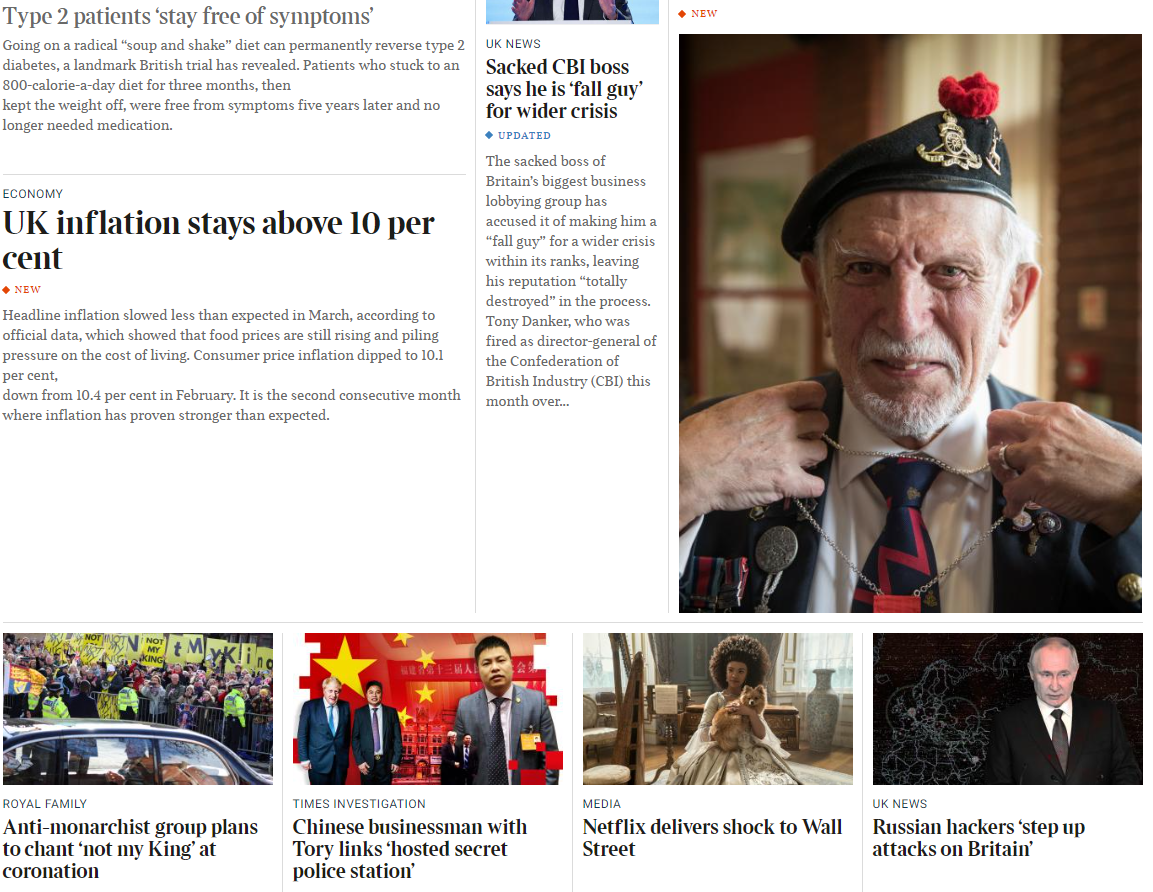
Compare how producers can use representations to position audiences. Make reference to the front page of Metro you have been provided with and the front page of The Times you have studied in class


Underline the key terms


Compare how producers can use representations to position audiences. Make reference to the front page of Metro you have been provided with and the front page of The Times you have studied in class


Key term alert!


Sometimes, not knowing a key term can COMPLETELY break your answer. ‘Positioning’ is one of them. Make sure you know what it means!


Positions - the ways in which an audience is ‘placed’, by the producer, using media language. 


Knee jerk reaction


Both newspapers use representations of conservative politicians/female politicians/upper middle class/ruling class middle aged white women to position the audience in a critical mode of address, and to invite criticism


Plan


MES

Stereotypes 

Lexis

Van Zoonen - feminism 

Representation 

Composition 

Anchorage

Masthead 

Copy

Font 

Sans serif

Serif

Pick and mix theory

Identity

Right wing

Left wing

Advert 

Binary oppositions 

Semiotics

Proairetic code 

Bias 

Ideology

Postcolonial theory

Reception theory 

Manipulative

Broadsheet 

Tabloid 

Representation theory 

Stereotypes = shortcut

Subordinate 


Introduction


DAC - definition, argument, context


Representation is a re-presentation of reality. Representations always reflect the ideology of the producer. In representing their ideology, producers will hope to shape the ideology of the audience. In this essay, I shall argue that both newspapers use representations of middle aged women to position the audience in a highly critical mode of address, and to encourage an unfavourable view of the politician in question. In order to make this argument, I shall refer to The Times, a UK Right Wing broadsheet, that nevertheless takes a critical approach to then conservative PM Teresa May. I shall also refer to Metro, a tabloid newspaper that takes a critical approach to Liz Truss, the shortest reigning UK PM of all time. 


Paragraphs


PEA - Point, evidence, argument 


  • Both newspapers make heavy anchorage through the lexis of their headlines to construct a highly manipulative and highly leading mode of address to position their audiences. The use of hyperbolic language such as ‘the worst’ makes this ideological perspective explicit for the target audience, and assumes that the target audience already dislikes these political figures in an excellent example of ideological cultivation.
  • The lexis of ‘heavy defeat’ reinforces and cultivates the ideological perspective that May is not powerful enough for this position. Terms such as victory and defeat are symbolic of war, and present to the right wing target audience the idea of a bloody and brutal battle that May has clearly lost. Additionally, through losing this aggressive war, a stereotypical assumption about women is cultivated; that women are emotional, weak, powerless, and unsuited for combat. This notion of May being weak and feeble is anchored through the mes of flash photography, which emphasises not only the proairetic code of her eye bags (which suggest sleepiness), but also the MES of her grey hair. This constructs a stereotypical portrayal older women, and reinforces the ideology that they are weak an frail. This ideology will resonate and appeal to the conservative target audience. 
  • The selection of the colour red symbolises danger, blood, aggression and violence
  • The audience is positioned as male, through the highly stereotypical representation of women which reinforces gender binaries
  • The Marks and Spencer advert on Metro positions the audience as stereotypical working class, and presents an aspirational mode of address
  • The selection of the story about the Cheltenham festival explicitly positions the audience of the Times as stereotypically middle class.

Monday, 17 April 2023

Media studies NEA initial tasks

 Before we get stuck in to completing your music video coursework, we need to complete a couple of weeks of prep. This is not just for marks (although your prep work is NOT officially marked!) but it is also to create the best music video possible. First of all, let's look at how you get an A for the music video and magazine coursework project.


How to get an A in the NEA (in theory)

  • Use media language to demonstrate intertextuality and/or generic hybridity
  • Convey a complex representation of a social group using media language
  • Subvert and challenge typical representational stereotypes
  • Present a clear and identifiable ideological context
  • Create a magazine that demonstrates clear stylistic, thematic and ideological links to your music video 

How to get an A in the NEA (in practice)


  • Start shooting the first day you are able
  • If someone lets you down, deal with it and shoot someone else
  • If your venue falls through or your location shoot is rained off, shoot somewhere else
  • If you accidentally delete all your work, take a deep breath and start again
  • If your teacher tells you your footage is not up to standard, take a deep breath and go out and reshoot
  • Realise that you do NOT need ANY technical skills to get full marks in this project, just hard work and resilience!

Note -  the work you are doing today will be inserted in to your preproduction workbook, so don't lose it... 


Task 1 - genre analysis 


Select a music video of the genre of the song that you wish to make a music video for. List, using media language and screenshots the explicit generic paradigmatic conventions of this genre. It helps here to pick a really cliched and maybe straightforward video. Don't be vague: make everything EXPLICIT.

While you can subvert generic conventions, you must at least make reference to them to get marks (and to create an excellent and functional music video)

Task 2 - creating a mood board to create an aesthetic


Don't just point and shoot! The best music videos have a clear idea of the aesthetic (basically the look) of what it will look like before anyone even touches a camera!

Here's an example of a mood board:


It's basically a collection of things that you think look cool. What do you like to look at? Where do you like to be? What colours make you happy (or sad :'( ). Here's another one!

When making a mood board don'[t consider if it's actually feasible or not. Just chuck some stuff together and try and make it happen!

Task 3 - technical analysis


Pick one crazy cinematographic or editing technique you would like to complete for your video and spend some time right now working out HOW you would do this and if it's even possible. YouTube tutorials are your friend here, but remember even you cannot complete a technique conventionally, there may be some unconventional ways of getting thigs done...